


this line is from archive.php
Accounting for partnerships FA2 Maintaining Financial Records Foundations in Accountancy Students
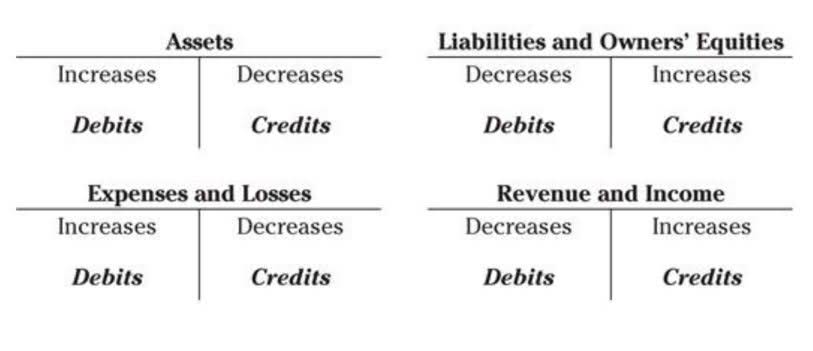
This guide aims to provide a comprehensive overview of essential partnership accounting practices, offering valuable insights for both new and experienced accountants. Explore essential practices and insights for effective partnership accounting, from profit allocation to tax implications and financial reporting. In addition to sharing profits, the partners may also assume responsibility for any losses or debts from the other partners. When the time comes to exit, it may be harder to reach an agreement about selling the business. Partnership accounting differs from other forms of accounting, such as sole proprietorship or corporation accounting, in that it involves the splitting of profits and losses among multiple partners.
Financial Implications
Limited (silent) partners are not involved in day-to-day operations and enjoy limited liability. In an LLP, partners are not exempt from liability for the debts of the partnership, but they may balance sheet be exempt from liability for the actions of other partners. A limited liability limited partnership (LLLP) combines aspects of LPs and LLPs. Limited partnerships are a hybrid of general partnerships and limited liability partnerships. At least one partner must be a general partner, with full personal liability for the partnership’s debts. At least one other is a silent partner whose liability is limited to the amount invested.
- Net income does not includes gains or losses from the partnership investment.
- Accurate and transparent financial reporting is the backbone of effective partnership accounting.
- Finally, let’s assume that Partner C had been operating his own business, which was then taken over by the new partnership.
- Recognizing these potential hurdles and proactively addressing them can empower your business to make more informed decisions when seeking an external partner.
- Each of these statements offers unique insights into different aspects of the partnership’s financial activities.
Statement of partners’ equity

The capital method emphasizes the maintenance of partners’ capital accounts, tracking contributions and distributions. Conversely, the income method focuses on sharing profits and losses based on the partnership agreement. The hybrid method combines elements of both the capital and income methods, providing a flexible approach. Managing capital accounts involves accurately recording the initial investment made by each partner, as well as any subsequent contributions or withdrawals.
- Unlike corporations, partnerships involve multiple individuals who share ownership, profits, and responsibilities, making the accounting practices more complex.
- According to the Generally Accepted Accounting Principles (GAAPs), every partnership company needs to issue a document known as a Schedule K-1 to each partner in the firm.
- The type of partnership that business partners choose will depend on how they want to manage day-to-day operations, who is willing to be financially liable for the business, and how they want to pay taxes.
- Paying interest on capital is a means of rewarding partners for investing funds in the partnership as opposed to alternative investments.
- In other types of partnerships, profits may be shared in different percentages or some partners may have limited liability.
3 Interest on capital

Tax implications, such as pass-through taxation, affect partners’ individual tax liabilities. Legal entity structures, like general partnerships, limited partnerships, or limited liability partnerships, have distinct attributes impacting liability and decision-making within the partnership. One common method for distributing profits and losses is based on the partners’ capital contributions.
- Most agreements call for an audit and revaluation of the assets at this time.
- The Final Accounts of a Partnership Firm is prepared in same manner in which Final Accounts of sole proprietors is prepared.
- These often include medical professionals, lawyers, accountants, consultants, finance & investing, and architects.
- This is because corporate profits are taxed, as are the dividends paid to owners or shareholders.
- Legal entity structures, like general partnerships, limited partnerships, or limited liability partnerships, have distinct attributes impacting liability and decision-making within the partnership.
Closing process at the end of the accounting period includes closing of all temporary accounts by making the following entries. If total revenues exceed total expenses of the period, the excess is the net income of the partnership for the period. If expenses exceed revenues of the period, the excess is a net loss of the partnership for the period. Guaranteed payments are those made by a partnership to a partner Accounting for Churches that are determined without regard to the partnership’s income. At the end of the accounting period the drawing account is closed to the capital account of the partner. The capital account will be reduced by the amount of drawing made by the partner during the accounting period.
It’s also important that the accounting practices align with the terms of the partnership agreement. The purpose of Schedule M-1 is reconciliation of income (loss) per accounting books with income (loss) per return of the partnership. In other words, it means reconciliation of accounting income with taxable income, because partnership accounting not all accounting income is taxable.
this line is from archive.php
The Difference Between Temporary & Permanent Accounts
Rent income is considered a temporary account because it represents revenue earned by a company from renting out property or equipment. These accounts reflect the company’s rental income for the period and are not carried forward to the next accounting period. After all, your unpaid customer invoices don’t reset just because you started a new accounting year. Since these temporary accounts were not closed, all of their balances accumulated over the 2022 financial year got carried over to the financial year 2023.
Financial Statements
- In accounting, these two categories serve distinct roles in tracking a company’s financial transactions and reporting its financial position.
- But we want to measure what occurred in 2021 only, hence the need to close the the previous period’s balance.
- During this time, the value of these unsold products sits on your balance sheet as an asset.
- This is because the accountant has forgotten to close the 3 temporary accounts (revenues, cost of goods sold and administrative expenses) at the end of the financial year 31 December 2022.
- Examples of permanent accounts include asset, liability, and equity accounts.
- Utilizing a temporary inventory account represents an effective way for businesses to streamline procurement processes while enhancing financial management capabilities.
Utilizing a temporary inventory account represents an effective way for businesses to streamline procurement processes while enhancing financial management capabilities. As such, it is an essential tool for any organization seeking to stay competitive in today’s marketplace. Temporary inventory accounts are especially useful for businesses that deal with fluctuating levels of inventory or have seasonal demand for their products. By tracking the cost of each item purchased and sold, businesses can get a clearer picture of their expenses and profits.
Why understanding the difference between permanent and temporary accounts matters
As a collective of industry professionals and enthusiasts, we aim to empower organizations with actionable strategies, innovative tools, and thought leadership that drive value and efficiency. Stay tuned for up-to-date content designed to simplify procurement and keep you ahead of the curve. Fourth, conduct regular physical counts of your inventory to ensure accuracy in your records. While this account isn’t completely necessary, it can help you keep a record of what money got transferred in case you undergo 4 inventory costing methods for small businesses an audit.
Temporary Account vs. Permanent Account
At the end of the accounting period, remove the balance in the purchases account and move it into the inventory and cost of goods sold accounts. Automation reduces the risk of human error in recording transactions, ensuring that data is accurately captured in both temporary and permanent accounts. Automated processes can streamline data entry, reconciliation, and reporting tasks, improving efficiency and reducing the time required to complete accounting tasks.
Expenses
Firstly, TIAs allow for greater flexibility in managing inventory levels as they enable companies to hold excess stock without affecting current financial statements. This means that TIAs can be used during peak seasons or times of increased demand, enabling businesses to meet customer needs without the risk of running out of stock. When you purchase goods or materials for your business, you can record them in your temporary inventory account as an asset. As you use those items in production or sales, the value of that asset decreases and is transferred to another account – usually Cost of Goods Sold (COGS). Expense accounts – expense accounts such as Cost of Sales, Salaries Expense, Rent Expense, Interest Expense, Delivery Expense, Utilities Expense, and all other expenses are temporary accounts. Purchases, Purchase Discounts, and Purchase Returns and Allowances (under periodic inventory method) are also temporary accounts.
Accounting for Temporary Accounts
- Automation ensures timely financial reporting, enhances data integrity, simplifies audit processes, and leads to cost savings.
- The cost of goods sold account represents the company’s accumulated costs for goods sold to customers during the current accounting period.
- It plays a vital role in determining financial health, influencing both balance sheets and income statements.
- Consider a retail store that leases a commercial space for its operations.
- Equity accounts are permanent accounts that represent the ownership interests in a company.
- As a result, income statement accounts are transient and must be closed on a regular basis.
Temporary accounts include all revenue accounts, expense accounts, and in the case of sole proprietorships and how to calculate cost of goods sold partnerships, drawing or withdrawal accounts. Suppose a grocery store identifies expired or damaged items in its inventory and decides to write them off. The financial impact of this inventory write-off is recorded in the “Loss on Inventory Write-Off” temporary account.
Many times a suspense accounts is used in Accounts receivable or any credit balance place, which is not clear to federal insurance contributions act fica definition who Paid the money or to whom to pay the money. This is done by passing a journal entry with an option to reverse it when the right owners are found. John Freedman’s articles specialize in management and financial responsibility. He is a certified public accountant, graduated summa cum laude with a Bachelor of Arts in business administration and has been writing since 1998. His career includes public company auditing and work with the campus recruiting team for his alma mater. Organizations use liability accounts to record and manage debts owed, including expenses, loans, and mortgages.
this line is from archive.php
Real Estate Bookkeeping Simplified: A Practical Guide for Su

Each party should have a clear scope of work and joint venture agreement obligations. Clarity prevents confusion and ensures partners understand their roles. Property managers must track and reconcile security deposits accurately and efficiently to avoid legal issues, maintain good relationships, and protect clients. Amortisation is the real estate bookkeeping services gradual repayment of a mortgage or loan through scheduled payments that cover both the principal amount and interest.
Separate Finances

Landlords rely on real estate accounting to manage rent tracking, expense management, and property depreciation. Accurate records ensure compliance with tax regulations and provide a clear overview of the financial health of rental properties. Landlord-specific features could include options such as online rent collection. REI Hub is specifically designed for real estate investing, offering features such as bookkeeping and payroll services rental income tracking and property-specific financial reporting. Its powerful features, like custom reporting and 24/7 support, make it potentially the best real estate accounting option. The software makes it easier to track expenses and create tax-ready documents, which saves real estate investors valuable time.
Understanding Double-Entry Bookkeeping for Real Estate Transactions
- Property owners and managers can use this practice to thoroughly monitor their income sources, giving them a detailed financial overview of their rental property’s performance.
- An important deviation from the accrual accounting method is the acknowledgement of prepaid rents.
- It allows you to track income, expenses, and cash flow, enabling you to make informed decisions and maintain better control over your finances.
- Compare bank statements with recorded transactions regularly to identify and resolve discrepancies promptly.
- Maintaining accurate records of all transactions is extremely important.
- Timely 4th quarter estimated tax payments are crucial to avoid penalties and maintain financial stability.
Compare bank statements with recorded transactions regularly to identify and resolve discrepancies promptly. Zoho Books’ plans are among the most affordable available, but they still include extensive features like automatic transaction reconciliation and an easily customizable chart of accounts. A customizable customer portal improves collaboration, allowing clients to view invoices or make payments directly. Zoho is particularly well-rated for retained earnings its document management and easy invoicing.
Set Up Your Chart of Accounts in a Way That You Can Spot Leakages!
Before deciding, compare accounting features, real estate-specific options, and more. Reliable Real Estate Bookkeeping is predicated on the accuracy and completeness of financial documentation. It is the cornerstone that supports a transparent audit trail, critical for both internal review and regulatory scrutiny. Transparency in financial reporting is not only a legal requirement but also a key element in building trust with stakeholders. Investors, lenders, and clients alike depend on the accuracy of a real estate firm’s financial data to make informed decisions. When you start investing in your first rental properties, you will probably have questions about using one bank account or multiple for each property.
That means rental income is counted when it is actually received, and expenses are deducted when they are paid. Real estate bookkeeping usually isn’t the first thing investors think of when investing in property, but it’s an important part of owning and managing rental property. With good bookkeeping, an investor can better identify opportunities to increase rental income, reduce expenses without affecting property value, and better track owner’s equity.
- With the improvements in today’s technology, real estate bookkeeping has gotten substantially easier to do the help of online resources.
- Software cannot yet replace a skilled CPA with expertise in real estate.
- Clear categorization aids in financial analysis and simplifies tax reporting.
- They can identify cost-saving opportunities and monitor the financial health of their real estate business.
- Using historical financial data and current market trends, agents can allocate resources efficiently, plan for slower periods, and invest strategically in marketing or property improvements.
Bookkeeping is one of the most important aspects of the real estate industry. The process involves recording the cash flow effectively while also maintaining the transaction records. When you use bookkeeping strategies to track expenses, you will have complete visibility over the financial condition. Programs like Excel, Numbers, Google Sheets, and OpenOffice can be used to create a basic real estate bookkeeping system to track income and expenses. However, even with one rental property, keeping information updated manually can become tedious and it’s easy to have something fall through the cracks. The key to mastering real estate business accounting is knowing that every dollar that flows in or out of your business must be categorized and tracked.

Alternatives to Sage For larger, more established businesses looking to streamline their operations, Sage Intacct, its cloud-based solution, is the one to beat. It offers real estate bookkeeping services designed to free up your time. It will also ensure accurate financial management for your real estate business. With 6.5 million users, it has become one of the most trusted real estate accounting solutions. It allows for tracking expenses, invoicing, and generating financial reports. Its seamless integrations with apps like TSheets make payroll and time management a breeze, making it a smart, full-service pick for property managers.
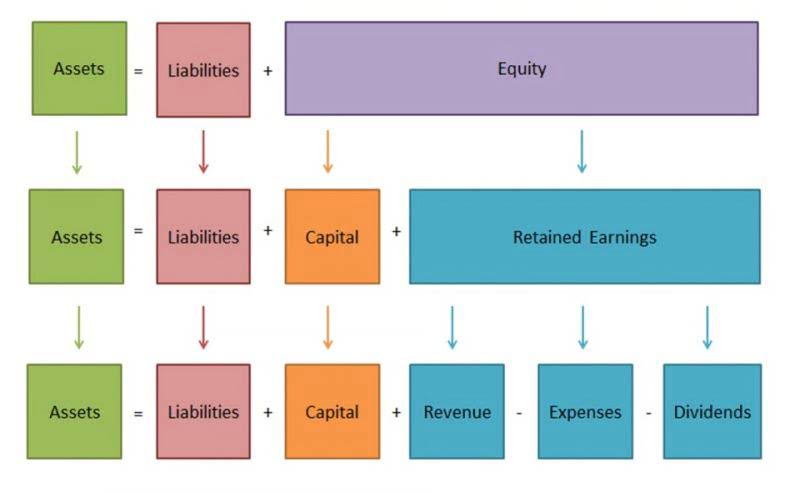
Implement a double-entry bookkeeping system to ensure every transaction is balanced with corresponding credits and debits. FreshBooks is praised for its intuitive design and powerful expense-tracking capabilities. It makes it easy to invoice clients, track payment progress, and keep your project budgets on point. That’s why we help Realtors and Wholesalers get out of the office and back to building their businesses. We help house flippers keep track of their projects and their profits, without overpaying taxes. Pramod has over 11 years of experience relating to finance and accounts in diversified industries.
Maintaining precise and up-to-date records is critical for staying organized and compliant with tax regulations. Real estate agents should document every transaction, including earned commissions, listing fees, and marketing expenditures. Utilizing accounting software like QuickBooks or FreshBooks can automate these tasks and mitigate human errors. Our partnership with ShoreAgents has been nothing short of exceptional.
this line is from archive.php
When are Expenses Incurred?
The invoice was issued on August 16th, and Fast-n-cheap will pay it on September 15. The wage expense is incurred throughout the month as the employee works, even though payment is made on the 5th of the following month. Similarly, expenses must be recognized when they are incurred regardless of when the invoice is paid. This is done by matching the expenses to the revenue they generate where possible. In general, expenses are incurred in the same period that their matched revenue is earned with a few small exceptions that are discussed later on.
How Josh Decided It Was Time to Finish His CPA
It is the amount denoted on invoices as the price and recorded in book keeping records as an expense or asset cost basis. For example, a painter may be paid for the service after it has been performed, and the incurred expense changes to a paid expense. Another example would be when a business enters into a lease agreement to rent office space for a period of two years. The business incurs the expense when it completes each of the agreed rent periods. An incurred expense becomes a paid expense once the business has paid the cost it owed the supplier of the goods or services.
Overestimating Write-off Amounts For Expenses
You have 60 days from the day the statement is mailed to report any problem and incur no liability. If you don’t pay your credit card bills on time, you’ll likely incur lots of fees and some serious debt. Consider using specialized software or services to manage international transactions and currency conversions accurately. Regular reviews of your expense claims and documentation can help prevent overestimation and ensure compliance with tax laws.
- These expenses are recognized as soon as they are incurred, regardless of whether or not they have been paid for.
- It is important to note that the concept of incurring expenses does not focus on the timing of payment, but rather on the recognition and recording of the expense in the financial statements.
- Accruals form the base for accrual accounting and incorporate all transactions, including accounts receivable, accounts payable, employee salaries, etc.
- This way, the business can keep track of how much it owes and manage its cash flow accordingly.
- It is important for businesses to accurately track and record incurred expenses to ensure their financial statements reflect the financial health and performance of the company.
Incurred Expense vs. Paid Expense
Whether they work with the accounting department or not, employees should understand accounting basics and terms like incurred and accrued to support a shift towards a leaner and more efficient team. For instance, at the end of November 30, the company would have owed employee wages for ten days from 21st to the 20th. When companies pay for an expense in cash, the company records the transaction as a cash purchase that increases the corresponding expense while decreasing total cash. However, companies also incur an expense due to the passage of time or consumption.
According to the matching principle, ABC Ltd. must record the expense of the office supplies in the period in which they were incurred, which is January. So, in January, the company will record an expense of $10,000 for office supplies. Even though the invoice has yet to be received, payment may be made in February or later.
The expense is recognized for the hours worked, even if payday is still in the future. This includes not just regular wages, but also overtime, bonuses, and other compensation. If a court rules that a company must pay damages or fines, the expense is incurred when the judgment is made, not when it’s paid. Emerging technologies will continue to improve and upgrade, but they will never completely replace the human component.
Prepaid Expenses
In the next period, you reverse the accrued liabilities journal entry after paying the debt. An accrued liability occurs when you gain a debt, or incur an expense that you have not paid. An accrued expense is recognized on the books before it is paid for, ensuring that expenses are matched with the period in which they occur. Common examples include interest on loans, employee wages earned but not yet paid, and taxes incurred but not yet due. It’s worth noting that some companies have recognition thresholds for expense incurrence. Larger expenses are more likely to be recognized when incurred, regardless of payment timing.
The accounts payable account is the most common liability account for recording incurred expenses. The term incurred refers to when a company is obligated to pay for an expense, regardless of whether the payment has been made. This concept is crucial for accurate financial reporting, as it helps companies record their liabilities and obligations.
Incurredmeans that a covered expense is Incurred on the date the service is rendered or the supply is obtained. More specifically, covered expenses for the entire procedure or course of treatment are not Incurred upon commencement of the first stage of the procedure or course of treatment. A word used by accountants to communicate that an expense has occurred and needs to be recognized on the income statement even though no payment was made. Any costs you do incur can also be spread over a longer period with monthly payments.
These expenses are necessary to develop new products or improve existing products and are considered capital expenses. Another typical expense incurred by companies is the cost of marketing and advertising. This includes the cost of creating and distributing promotional materials, as well as the cost of advertising in print, online, or through other media. This type of expense is considered an indirect cost and is necessary to generate sales and increase brand awareness. Incorporating incur accounting definition incurred costs into financial performance analysis also helps in decision-making. Companies can use incurred costs to assess their operations’ efficiency and effectiveness and make necessary changes.
Different industries have unique characteristics that influence when and how expenses are incurred. Understanding these industry-specific practices is crucial for accurate financial reporting and management. Prepaid expenses are paid in advance but recognized as expenses over time, requiring careful tracking to ensure proper expense recognition.
In contrast, accrued refers to expenses that a business has recognized but has not yet paid or received payment for. In other words, incurred refers to an actual transaction that has occurred, while accrued refers to a transaction that has been recognized but not yet completed. Companies estimate accrued expenses and the actual cash paid could change upon settlement. Meanwhile, companies pay the invoice amount for Accounts Payable and unless there is an error in the invoice, the amount recorded as payable should also be the amount paid to settle the expense. You should keep a copy of the invoice, contract, or other documentation related to the expense in your records.
- For example, if the policyholder purchased flood insurance coverage for his business and floods cause damage to the business, the insurance company will be required to compensate the policyholder.
- Incurred accounting records expenses when they are paid or committed to be paid, while accrued accounting records expenses when they are incurred, regardless of when the payment is made.
- The department expects to incur costs of $3.7 million setting up credit monitoring and in lost productivity.
- Accrued expenses are recorded as liabilities on a company’s balance sheet, while deferred expenses are recorded as assets.
- On January 10th, ABC places an order for $10,000 worth of raw materials with a payment term of 30 days.
They provide a framework for financial reporting, helping to ensure that financial statements are accurate, reliable, and understandable. This, in turn, helps to ensure that stakeholders, such as investors, lenders, and regulators, can make informed decisions based on the financial information provided. Furthermore, incurred costs can be used to make informed decisions about the future. For example, a company may choose to invest in new technologies or processes that will reduce incurred costs in the future. For instance, if the actual incurred costs exceed the budgeted expenses, the organization can reduce future spending or identify areas to improve its cost management processes.
Only superficial damage was incurred and the stands and playing surface were unaffected. Certification program, designed to transform anyone into a world-class financial analyst. Must recognize and record the transaction on the date when it occurred rather than on the date when the transaction was actually paid. It can be difficult for accountants to know with certainty which revenue and expenses will be earned or incurred in a period. That means that they might be overly confident about future revenue projections coming to fruition while underestimating their future expenses.
What Does the Concept Incurred Mean?
Tech companies must carefully consider when to expense vs. capitalize costs related to product development. Understanding the difference between fixed and variable expenses is crucial for budgeting and financial planning. Expenses for utilities like electricity, water, or gas are incurred as they are used, not when the bill arrives.
In the realm of accounting, grasping the concept of incurred expenses is crucial for accurately reflecting a company’s financial health. It denotes transactions where services or goods have been received and the corresponding payment obligation arises, impacting financial records and statements even before money changes hands. By recognizing and recording incurred expenses in a timely and accurate manner, businesses can effectively manage their financial health and operate with transparency and confidence. Most of the time, incurred expenses are paid immediately after they are incurred, while at other times, they may take several years before they are paid.
This means that even without a supporting document like a purchase order or an invoice, the company can incur an expense. Depreciation is the systematic allocation of the cost of a fixed asset over its useful life. This expense represents the decrease in the value of a fixed asset due to wear and tear obsolescence or other factors.
this line is from archive.php
What is Blue-Collar Worker
In comparison, blue-collar workers in skilled trades such as plumbing or welding can earn from $52,000 to $66,000, with top earners like construction managers making $116,000 annually. While white-collar jobs often come with higher starting salaries and structured compensation, blue-collar jobs, especially in specialized fields, can still provide competitive pay and benefits. You’ve heard the terms white collar and blue collar—but what exactly do they mean? A blue-collar job typically involves manual labor or skilled trades, like construction, plumbing, or factory work. On the other hand, white-collar jobs usually involve office-based, administrative, or managerial roles.
Types of jobs and industries typically associated with blue collar work
Many blue-collar professions require or benefit from certifications that demonstrate a worker’s expertise and knowledge in a specific area. Certifications can enhance job prospects and may be required for certain positions. For example, HVAC technicians often need to be certified to handle refrigerants, while electricians may require state licensure to perform electrical work. Obtaining these certifications often involves passing exams and completing continuing education courses to stay current with industry standards. Apprenticeships combine on-the-job training with classroom instruction, allowing individuals to learn from experienced professionals while earning a wage.
- Roofers are specialized workers who install and repair the roofs of buildings.
- Blue-collar jobs often involve shift work, which can include early mornings, late nights, weekends, and even holidays.
- Coal miners, masons, bricklayers, boilermakers, and welders traditionally wore darker colors.
- Blue-collar jobs are defined by manual labor and hands-on skills rather than office work.
- For example, a plumber who specializes in repair may be considered a grey-collar worker due to the amount of intellectual work required to diagnose why a plumbing system is malfunctioning.
No college degree is typically required, but having a good balance, physical fitness, and no fear of heights is a bonus! Lastly, we’ll help you consider whether a blue-collar job could be a good fit for you. Blue-collar jobs might be worth considering if you like working with your hands, learning a specific skill, or earning good money without needing a four-year college degree. An Alden, Iowa newspaper first used the term while referring to trades jobs in 1924.
Blue-Collar Worker
- It’s not just about getting rid of pests; it’s also about ensuring the methods used are safe for the occupants and the environment.
- When someone identifies as blue-collar, it means that they typically work in jobs that involve manual labor in various industries like manufacturing, construction, transportation etc.
- In the past, white-collar workers tended to earn more than their blue-collar counterparts.
- As a result, while some routine tasks may be automated, the need for skilled blue collar workers is expected to persist.
Then, they use various techniques, from Swedish and deep-tissue massages to more specialized modalities like Shiatsu or hot stone therapy. Recycling Coordinators are all about managing and improving recycling programs. They oversee recycling collections, work with local communities to raise awareness about the importance of recycling, and ensure that the recycling process is as efficient as possible. Many landscapers start with on-the-job training or working as an assistant. However, if you’re looking to design complex projects or start your own business, courses in horticulture, landscape design, or even a certification might be handy. Depending on the type of farm, their day might involve planting seeds, watering crops, picking fruits, weeding, or even helping with farm animals.
Unlock the next level of your recruiting workflows
For example, during economic downturns, construction projects may be halted, leading to layoffs in that sector. Many blue collar professions require specific certifications or licenses to ensure that workers meet industry standards and safety regulations. These requirements vary by state and trade, but they often involve passing exams and demonstrating a certain level of expertise.
White-collar jobs in sectors like healthcare or technology may have more growth potential but can also be more vulnerable to market fluctuations. This can include operating machinery, building and repairing structures, and handling physical materials. On the other hand, white collar jobs are characterized by clerical, administrative, or managerial work. These roles include strategizing, planning, overseeing business operations, managing staff, and processing information. Blue collar jobs are vital to the economy and society, offering diverse career paths that require specialized skills and training. Understanding the characteristics, challenges, and future trends of blue collar work can help individuals make informed career choices and appreciate the value of these professions.
Found in industries like construction, manufacturing, transportation, and maintenance, these roles are essential to the economy. The term “blue collar” originated from workers wearing durable blue uniforms suitable for tough tasks, distinguishing them from white collar office workers. Blue-collar jobs encompass a wide range of professions that primarily involve physical labor or skilled trades. These jobs are often contrasted with white-collar roles, which are typically office-based and may involve administrative or managerial tasks. Since many blue-collar jobs consist of mainly manual labor, educational requirements for workers are typically lower than those of white-collar workers. Often, not even a high school diploma is required, and many of the skills required for blue-collar jobs are learned by the employee while working.
Workers in blue collar jobs must adapt to new technologies, which may require additional training and education. For example, a factory worker may need to learn how to operate advanced machinery or understand programming for automated systems. This demand for tech-savvy skills is prompting many vocational training programs to update their curricula to include technology-focused training.
The blue collar worker definition indicates that these workers perform primarily manual labor. Other similar classifications include white collar, pink collar, black collar and more. Advances in technology, including robotics and artificial intelligence, can lead to the automation of certain tasks traditionally performed by blue collar workers. This can result in job displacement and the need for workers to acquire new skills to remain employable. Navy and light blue colors conceal potential dirt or grease on the worker’s clothing, helping them to appear cleaner. For the same reason, blue is a popular color for boilersuits which protect workers’ clothing.
This sector encompasses a wide range of activities, from assembling consumer goods to producing industrial machinery. Workers in manufacturing may operate machinery, conduct quality control inspections, or manage inventory. The rise of automation has transformed many manufacturing jobs, requiring workers to adapt to new technologies while still performing essential manual tasks. Blue-collar jobs are prevalent across various industries, each with its unique demands and characteristics. Understanding these industries can provide insight into the diverse opportunities available for blue-collar workers. White-collar workers will see the highest upcoming demand in tech, especially robotics, AI software and services, and cybersecurity, according to McKinsey Global Institute.
The rise of technology has also transformed many blue-collar roles, leading to the emergence of new job categories that blend manual labor with technical skills. For instance, electricians, plumbers, and HVAC technicians now often require knowledge of advanced systems and technologies, making their roles more complex and multifaceted. The term white collar refers to professionals who typically perform knowledge-based, administrative, or managerial work in offices. While, blue-collar jobs emphasize practical skills, on-the-job training, and apprenticeships over formal academic degrees mastering trades like welding and plumbing. Gray collar work is a hybrid of blue collar and white collar, combining the physical labor of the former and the technical skills and education of the latter.
Gray collar professions include first responders, IT professionals, non-physician health-care professionals, and flight attendants. Bureau of Labor Statistics, gray collar occupations are expected to see significant job growth between 2022 and 2032. The IT sector is a significant contributor to the white-collar job market, with roles such as software development, systems analysis, and cybersecurity. IT professionals are tasked with creating, maintaining, and securing technology systems that support business operations. As technology continues to evolve, the demand for skilled IT workers remains high, offering numerous career opportunities.
The role of technology and automation in blue collar industries
To prepare for these roles, employees may pursue advanced degrees, such as an MBA, which can provide the necessary skills and knowledge to excel in leadership positions. For instance, a software developer may choose to specialize in cybersecurity, which is a rapidly growing field with high demand for skilled professionals. Blue-collar workers often face mandatory overtime, especially during peak seasons or project deadlines. For instance, construction workers may be required to work extra hours to complete a project on time, which can lead to fatigue and strain on personal relationships.
Additionally, many blue collar industries are increasingly recognizing the importance of professional development. Employers are investing in training programs that help workers acquire new skills and certifications, which can lead to promotions and higher wages. For example, a welder may pursue additional certifications in specialized welding techniques, making them more valuable to employers and opening doors to higher-paying positions. As of 2022, approximately 10.3% of the U.S. workforce was unionized, with a higher concentration in blue collar sectors. Unions provide workers with a collective voice, enabling them to negotiate with employers on issues such as pay raises, safety standards, and job security.
Research has shown that diverse teams are more innovative and better at problem-solving, which can lead to improved business performance. As such, organizations that prioritize diversity and inclusion are likely to be more competitive in the evolving job market. Additionally, some skills are transferable between these two types of careers. For example, leadership, problem-solving, and project management are valuable in both domains. After her dad passed, her mom sold the family business to CRV because it was overwhelming to run by herself.
Most bricklayers learn the trade through an apprenticeship, which combines on-the-job training with classroom instruction. There’s also the chance to get certifications from groups like the International Masonry Institute, which can give you an edge in getting jobs. For example, a carpenter who builds things out of wood or a mechanic who repairs cars both have blue-collar jobs. Without them, we wouldn’t have buildings to live in, roads blue collar job meaning to drive on, or food on our tables.
Automation could reduce traditional manufacturing jobs and create new opportunities in technology maintenance, control, and development. The physical nature of blue collar work can be exhausting, which might impact the quality of personal and family life outside work. However, the clear distinction between work hours and off-hours can be beneficial for maintaining a boundary between professional and personal life. The salary and benefits between these two jobs can differ significantly, influenced by factors like education, skill level, industry, and job stability. In the modern workplace, the terms “blue collar” and “white collar” represent two distinct categories of employment, each with its unique characteristics and implications. Today she is basically a white-collar office worker for this blue-collar machinery business.
this line is from archive.php
What Is A Pay Stub & What Should It Include?

Employees must check the other components of the pay stub as well. Check whether the work hours are correct and whether they match the total pay. Gross wages are the total amount of financial compensation owed to an employee before any deductions are made. Gross wages include the employee’s base rate of pay plus any variable additions, such as overtime pay, incentives, or bonuses. No payroll process is complete without a properly formatted pay stub.
What Is KMTCHTR on Pay Stub? Meaning and Examples Explained
This clarity allows you to better plan your finances by understanding the full value of your benefits and how they contribute to your overall compensation package. By understanding what is included on a pay stub and how to use it, both employers and employees can benefit from this important financial tool. Pay Certified Bookkeeper stubs are an important proof of income document that needs to be kept in your financial records.

Saving labor costs
- On the employee’s pay stub, net pay is recorded for the pay period and cumulatively for the year.
- Kimberlee Leonard has 22 years of experience as a freelance writer.
- The net pay is the take home pay—the actual amount of the paycheck after subtracting all deductions from the gross pay.
- Rule No. 12 is the one that makes manually generated pay stubs the stuff of nightmares for business owners.
It’s essential to address any issues promptly to ensure accurate payment. Your payroll software can probably create a pay stub for each of your employees as you run payroll. It’s also possible to create payslips with paystub generators or manually, but this is time-consuming and can lead to errors. Employees can keep on top of how much they’ve paid in income taxes by checking their payslips, instead of waiting for their W-2 form at the end of the year. Regardless of whether payslips are required by law in your state, many businesses choose to issue pay stubs to all employees. If you choose to do pay stubs manually, be careful to ensure you’re calculating all wages and deductions correctly every pay period.
Improve the Accessibility of Pay Stubs

A pay stub is a document that provides a breakdown of an employee’s earnings and deductions for a specific pay period. The pay stub document also affirms that salary has been deposited into employees’ accounts. It also reflects the gross earnings, taxes, and deductions from the compensation that can be reported to authorities by the employer. Pay stubs are also useful as proof of income when applying for credit, loans, or leases, and can be helpful for budgeting and financial planning. It is important for employees to regularly review their pay stubs to ensure that the information is accurate and to identify any discrepancies.
For regular employees, 6.2 percent goes to Social Security while 1.45 percent goes to Medicare. For employees who don’t know how to read them, paycheck stubs are terrifying documents filled with boxes and numbers and codes and acronyms. Making the pay stubs accessible will enhance the transparency of the process. To generate pay stubs, you must keep track of your financial data and information.
- Many jurisdictions require that employers calculate, deduct, and withhold the amount of federal and state-level taxes to be paid to the employee.
- The federal law does not mandate companies to issue pay stubs.
- Under your gross pay, you’ll see a list of deductions subtracted from your check.
- Pay stubs should indicate the amount of taxes deducted under each of these broad tax categories.
- No matter the length of your pay stub, keep a copy of it for your financial records.
- Prorated compensation may result from fewer work hours due to holidays within a pay period.
A pay stub, or payslip, is a document created by employers that breaks down an employee’s pay for each pay period. It typically includes details of an employee’s pay rate, gross pay, deductions, contributions to a retirement or healthcare plan, and net pay. Understanding the anatomy of a pay stub is key to understanding how employee compensation is calculated and communicated. This section will break down the essential components of a pay stub, including gross wages, net pay, and the specific pay period. Understanding each element of employee pay stubs, from What is Legal E-Billing earnings to deductions, empowers employers and employees alike in their financial management and planning.
this line is from archive.php
Examples of Manufacturing Overhead in Cost Accounting
Let’s look at several of the traditional methods for allocating manufacturing overhead. Keep in mind that if the method does not allocate the true amount of factory overhead, the cost per unit of product will be wrong and invoice template for sole traders could result in management making a flawed decision. As you review these methods, ask yourself for each given product, will the allocated amount of overhead reflect the actual amount of overhead used in that item’s production? If a cause-and-effect relationship is not evident, is there at least an obvious correlation between manufacturing overhead and the basis for the allocation (such as production machine hours)? If there is no correlation, the allocation method is suspect and could result in the improper amount of overhead being assigned to individual products.
How to Calculate Manufacturing Overhead:
By following these tips, businesses can manage their product-level and factory-level overhead costs more effectively and improve their profitability. Factory-level overhead is overhead that cannot be traced directly to a specific product or service, but instead benefits the entire factory or production process. Items such as cleaning chemicals for machinery, oil for lubrication, and spare parts for minor repairs are essential but cannot be traced to a single product. For manufacturers, these costs are generally bought in bulk and added to overhead expenses since they support overall production rather than specific product lines. This includes business rates (a tax specific to commercial properties), property insurance, and any council-imposed fees. These costs are particularly important to consider for manufacturers in densely populated areas such as Manchester or Birmingham, where commercial rents can be high.
This will help ensure that you have enough capital to cover unexpected expenses, such as equipment breakdowns or employee turnover rates being higher than expected. Short multiple-choice tests, you may evaluate your comprehension of Inventory Management. Manufacturing overhead can be classified into different types based on its behavior and function. Lubricants, cotton waste, bricks, cement, etc., stationery used in office, advertising posters, pamphlets, distributional packaging material, etc.
A low manufacturing overhead rate signifies efficient and effective resource utilization within your business. However, a higher rate may suggest your production process is experiencing delays or inefficiencies. Need help identifying the actual cost of your indirect expenses from product manufacturing? In this article, you’ll find the formulas and examples to achieve accurate calculations and mitigate inventory inefficiencies. This is done by production managers so they can easily calculate their cost of goods sold and cost of goods manufactured. A predetermined manufacturing overhead rate can also be helpful when making a manufacturing overhead budget.
For example, rates are higher for operators of machinery and are lower for office employees. If the net realizable value of the inventory is less than the actual cost of the inventory, it is often necessary to reduce the inventory amount. For a further discussion of nonmanufacturing costs, see Nonmanufacturing Overhead Costs. In other words, depreciation is the value that an asset decreases year by year due to factors like wear and tear and obsolescence.
- The products in a manufacturer’s inventory that are completed and are awaiting to be sold.
- But let’s look at an example of a skateboard business and see how to find the manufacturing overhead.
- To reduce manufacturing overhead costs, focus on optimizing efficiency by minimizing waste, improving energy usage, and automating routine tasks.
- Applied overhead refers to the estimated overhead expenses applied per unit of production during an accounting period.
- When you include manufacturing overhead in your financial projections, you will be more likely to accurately predict how much money you will need each month.
- By following these tips, businesses can manage their fixed and variable costs more effectively and improve their profitability.
What Do You Mean By Departmentalization of Overheads?
Production departments such as machining, finishing, and assembling were established. Other departments such as quality control, maintenance, and factory administration were designated as service departments (or production service departments), since these departments served the production departments. The company’s costs were contained in the accountant’s general ledger, which was organized by departments so as to mirror the organization chart and to provide for budgeting and control. These rates were computed by dividing each production department’s costs (its own direct costs plus the service departments’ costs allocated to it) by its machine hours. Applied overhead refers to the estimated overhead expenses applied per unit of production during an accounting period.
Administrative and clerical support costs
The straight-line depreciation method distributes the carrying amount of a fixed asset evenly across its useful life. Since 2016 Prodio has been a user-friendly manufacturing management software for small and medium-sized companies. As manufacturing overheads are inventory turnover ratios for ecommerce an important cost driver, precisely allocating them to production is key in determining a viable selling price for your products. It’s also important for ensuring accurate profit margins and helping to identify areas for cost control or efficiency improvements. Facility rent and utility costs for heating, power, and water also fall into the manufacturing overhead category.
- Calculate the overhead absorption rate by dividing the total overhead costs by the chosen cost driver.
- By following these tips, you can reduce your manufacturing overhead costs and improve your profitability.
- To reduce overhead costs, businesses can adopt energy-saving measures like switching to renewable energy sources or installing efficient machinery.
- Office supplies used within the manufacturing plant, such as paper, pens, and administrative materials, also fall under manufacturing overhead.
- Every clock in and clock out is saved with information about the quantity and number of shortages, raw material consumption, or deficiencies.
- This article will give a detailed overview of manufacturing overhead, its parts, and how it affects product costs.
Streamline Payroll With Secure Timesheets
To better grasp how these manufacturing overhead costs work in the real world, let’s learn from examples of manufacturing overhead next. Calculate the overhead absorption rate by dividing the total overhead costs by the chosen cost driver. ABC allocates overhead costs to products based on the activities that consume those costs. To implement ABC, you first need to identify all of the activities that consume overhead costs. Then, you need to determine how much each activity costs and how much each product consumes of each activity. Finally, you allocate the costs of each activity to products based on their consumption of that activity.
Examples of manufacturing overhead costs
These costs are necessary for the overall operation of the factory, but they cannot be directly traced to each unit of production. By following these tips, manufacturers can more effectively manage their manufacturing overhead costs and improve their bottom line. Fixed overhead costs or period costs remain constant irrespective of changes in volume of output and sales. There are some items of expenses which are to be incurred whether the production takes place or not. These items are incurred over a period of time and are hence known as period costs. Research cost is the indirect cost incurred in searching for new products, new uses of existing products, new materials and new methods of production, etc.
Manufacturing overhead cost per unit is the total indirect costs allocated to produce one unit of product. It’s calculated by dividing the total manufacturing overhead by the number of units produced. This metric helps businesses in the UK price their products competitively and maintain profitability.
Thus, the greater the number of more usable units or products the factory makes in a given time, the lower its per-unit indirect cost for each unit. Manufacturing costs are together made up of direct labor costs, raw material costs, and manufacturing overhead costs. The latter includes things like factory utilities, cleaning supplies, machine depreciation, and even salaries of non-production staff. In other words, everything that manufacturing couldn’t function without that isn’t direct labor or direct materials. By following these steps, businesses can accurately assign manufacturing overhead costs to their products, ensuring a precise understanding of production expenses. This method helps not only with better budgeting and cost control but also with setting competitive pricing strategies.
Factory overhead includes all indirect costs of production that are not directly tied to a product. An example is the cost of electricity to run machinery in a factory, which supports production but isn’t directly part of c corp vs s corp partnership proprietorship and llc any specific product. Finally, manufacturing overhead also includes various financial costs related to the production process. Prominent examples are property taxes, legal fees for compliance audits, various insurance policies related to manufacturing, inventory, and supply, etc. Manufacturing overhead, or factory overhead, is a company’s indirect cost of production. Indirect costs are all expenses that can’t be directly attributed to producing goods or services but are still needed to keep a company functioning.
this line is from archive.php
Construction Accounting Excel Template

Controllers find it invaluable for maintaining organized and transparent financial records, while Accounts Payable staff appreciate its user-friendly design for efficient transaction tracking and reconciliation. By regularly updating the journal with financial transactions, users gain a holistic view of the project’s financial health. This visibility enables timely decision-making, budget adjustments, and the identification of potential cost savings or overruns. Furthermore, the Accounting Journal Excel Template often incorporates categorization capabilities, allowing users to classify transactions into relevant accounts such as materials, labor, equipment, and overhead.
- Plus, you also need to understand the process, such as the bidding, construction, and purchasing process.
- However, don’t forget to include the company name, logo, address, and contact information.
- They ensure all parties are aligned on project goals, specifications, budgets, and timelines, which are essential for the successful delivery of construction projects.
- Its user-friendly interface simplifies the monitoring of payments, making it an invaluable tool for managing accounts and ensuring timely and accurate financial processing.
- Simplify project management and boost productivity with our professionally designed Construction Templates.
- Ideal for businesses seeking a reliable tool to streamline budgeting, expenses, and project profitability.
Gain Financial Clarity with Our Balance Sheet Excel Template

A Construction Budget Excel Template is a valuable tool designed to facilitate the effective management and tracking of construction project expenses. Working within the familiar framework of a spreadsheet, this template provides a structured approach to planning, monitoring, and controlling project costs. Because construction projects have so many moving parts, their budgets must be extremely detailed. Our construction estimate template is designed to do just this by setting up a solid system for listing and organizing expenses. https://www.bignewsnetwork.com/news/274923587/how-to-use-construction-bookkeeping-practices-to-achieve-business-growth Effortlessly manage construction finances with our specialized Construction Expenses Accounting Template.

What is Construction Expense?

In these cases, the general contractor executing the work can use a request for information (RFI) to solicit more information from the project owner, architect, engineer, or construction project manager. This free construction budget template lists the costs of the raw materials, labor, equipment and machinery required to execute your construction project. Additionally, this template automatically calculates the difference between your estimated costs and the actual project costs so you can determine whether your project is over or under budget. The following are our top 20 Microsoft Excel construction templates for better construction project management. Use them as needed, and combine them for a cohesive set of documents that owners and team members will appreciate.
What strategies are effective for managing construction costs?

It can be easily printed and shared with clients, making it useful for standardizing the painting estimating process. A scope of work describes the work that will be performed by a contractor for a client, including details such as deliverables, milestones and an estimated timeline for the completion of tasks. It helps set clear expectations for both parties, which is why it’s used as part of construction contracts and during the construction bidding process. In every construction project, there’s a project owner who hires a general contractor to execute the work and in some cases, the general contractor might also hire subcontractors for specific tasks. All of these parties use construction contracts to agree on the payment terms and scope of work so there are no misunderstandings.
Easily-Editable Powerful Designs, Documents, Forms & Templates for your Company
- Construction projects can face cost overruns if not managed carefully.
- Check the organization, preciseness, and accuracy of every variable and the whole output.
- Project milestones, task assignments, task dependencies, due dates and more all exist on one project timeline.
- A punch list will collect these miscellaneous tasks and their details and arrange this information so no important information is left out.
- Controllers benefit from the template’s ability to maintain precise financial records.
Our RFQ template is essentially a “fill in the blank” form where the project owner asks questions about what vendors charge for certain things. This request for quote template is designed to make sure each of these forms includes the same necessary information, such as quotation number, customer ID, company name, etc. It also lists information about who the RFQ was created by and how long the quote lasts before expiration. Gantt charts are one of the most powerful planning and scheduling tools. When it’s time to create a construction project schedule, a Gantt chart is your best friend.
Gain Financial Insights with Our Balance Sheet Excel Template
- Ideal for projects of any scale, these resources streamline your workflow, enhance compliance, and simplify communication among teams and clients.
- ProjectManager provides a secure space for important project documents to live so that any team member can access them.
- Whether you operate a small contracting business or manage large-scale construction projects, our financial model adapts to your unique business structure, empowering you to make informed financial decisions.
- When making site visits, use this inspection report template to record the amount of hours worked, materials and equipment used and progress made.
- Chief Financial Officers (CFOs) will find our Accounting Journal Excel Template instrumental in gaining comprehensive insights into the company’s financial health.
That’s why a subcontractor documentation tracker template is helpful to ensure that you collect all the necessary documentation and keep important details organized. Use this template to track subcontractor information, scope of work and contract details. The construction budget template is helpful for both building and remodeling projects. This template enables you to create a comprehensive construction project budget and ensure that you account for all important items on the list. Additionally, while the construction project is underway, use this spreadsheet as a baseline to track and control your project’s budget.
How important are documents in the construction business?
They help maintain orderly records, ensure compliance with safety standards, and streamline communication across various project stages. Before printing your materials, you need to review and recheck the construction bookkeeping details, tables, fonts, especially the layout itself. This will also help you ensure that your information is complete or ready to use.
All you need to do is to utilize the tools to start crafting your layout. You can also organize and arrange the fonts, title, and size of your data. Templates alone aren’t dynamic documents and may not fulfill your needs.
this line is from archive.php
Discounted Payback Period DPP Calculator
.jpg)
Additionally, if you click on the fixed CF tab, you need to only define one cash low assuming that this cash flow will be fixed. You can also increase the cash flow by a fixed percentage over the years if like so. The table also shows the discounted cash flows and cumulative cash flows. Next, assuming the project starts with a large cash outflow, or investment to begin the project, the future discounted cash inflows are netted against the initial investment outflow. The discounted payback period process is applied to each additional period’s cash inflow to find the point at which the inflows equal the outflows. At this point, the project’s initial cost has been paid off, with the payback period being reduced to zero.
- The table also shows the discounted cash flows and cumulative cash flows.
- The discounted payback period process is applied to each additional period’s cash inflow to find the point at which the inflows equal the outflows.
- Our discounted payback period calculator calculates the discount cash flow accurately and provides you with the complete cash flow in the form of table.
- If you have a cumulative cash flow balance, you made a good investment.
- In this analysis, 3 project alternatives are compared with each other, using the discounted payback period as one of the success measures.
- The repayment of investment in the form of cash flows over the life of assets.
- The project has an initial investment of $1,000 and will generate annual cash flows of $200 for the next 5 years.
Understanding the Discounted Payback Period
Our payback period calculator also estimates the cumulative cash flow discounted cash flow and cash flow of each year. Continuing this process, the discounted payback period is found when the cumulative discounted cash flows equal or exceed the initial investment. Suppose that you are going to invest $100,000 and purchase an apartment. You might one to know how many years you need for this investment to pay back. This calculation can be further complicated by the irregular cash flows that you receive and the time value of money.
This means that you would need to earn a return of at least 9.1% on your investment to break even. This means that you would need to earn a return of at least 19.6% on your investment to break even. This means that you would only invest in this project if you could get a return of 20% or more. If the cash flows are uneven, then the longer method of discounting each cash flow would be used. Depending on the number of cash flow input boxes you selected, you need to enter all cash flows. For example, for discounted payback calculator your investment, enter $500, $600, $700, $800, and $900.
How is the Discounted Payback Period Derived?
When we need to calculate the cumulative net cash flow for the irregular cash flow, use the following formula. From the dropdown box, select how many yearly cash flows input boxes you want for your project. What it meaans is that investment in to the project is always a Cash outflow (negative number) from you.
The payback period value is a popular metric because it’s easy to calculate and understand. However, it doesn’t take into account money’s time value, which is the idea that a dollar today is worth more than a dollar in the future. In this example, the cumulative discountedcash flow does not turn positive at all. In other words, the investment will not be recoveredwithin the time horizon of this projection.
Discounted Payback Period Calculation in Excel
This principle is fundamental in finance and underpins the discounted cash flow analysis method, which is used to assess the value of an investment or project. When you’re going for investment in a project, it is crucial to know about the fixed cash flow and irregular cash flow. Simply, consider this free payback period calculator helps to get the estimated values of the payback period for regular and irregular cash flow. Before taking any decision with this payback calculator, consult with your finance manager. Discounted Cash Flow is a method to evaluate the value of an investment based on future cash flow.
Discounted Payback Period
.jpg)
It’s a simple way to compare different investment options and to see if an investment is worth pursuing. In project management, this measure is often used as a part of a cost-benefit analysis, supplementing other profitability-focused indicators such as internal rate of return or return on investment. It can however also be leveraged to measure the success of an investment or project in hindsight and determine the point at which an initial investment has actually paid back.
- Have you been investing and are wondering about some of the different strategies you can use to maximize your return?
- In any case, the decision for a project option or an investment decision should not be based on a single type of indicator.
- You can easily figure out the cash flow yearly by using our payback calculator.
- Now, if I assume a discount rate of 4% (a more realistic scenario), my payback period would be longer, 3 years and 4 months.
- Each present value cash flow is calculated and then added together.The result is the discounted payback period or DPP.
- It determines the value of an investment based on how much money will generate by this investment.
Payback period refers to how many years it will take to pay back the initial investment. The simple payback period doesn’t take into account money’s time value. Discounted payback period refers to time needed to recoup your original investment. In other words, it’s the amount of time it would take for your cumulative cash flows to equal your initial investment. The payback period calculator is use to calculate the payback periods with discounts, estimate your average returns and schedules of investments.
Discounted Payback Period: Definition, Formula, Example & Calculator
The discounted payback period is calculatedby discounting the net cash flows of each and every period and cumulating thediscounted cash flows until the amount of the initial investment is met. This requires the use of a discountrate which can be either a market interest rate or an expected return. Someorganizations may also choose to apply an accounting interest rate or theirweighted average cost of capital. Once you have entered all the numbers as stated above, click on “Calculate” button. The calculator will show you the discounted payback period of 4.619 years . This means that your investment will tak e approximately 4.619 years to get your initial investment of $2,500 back.